
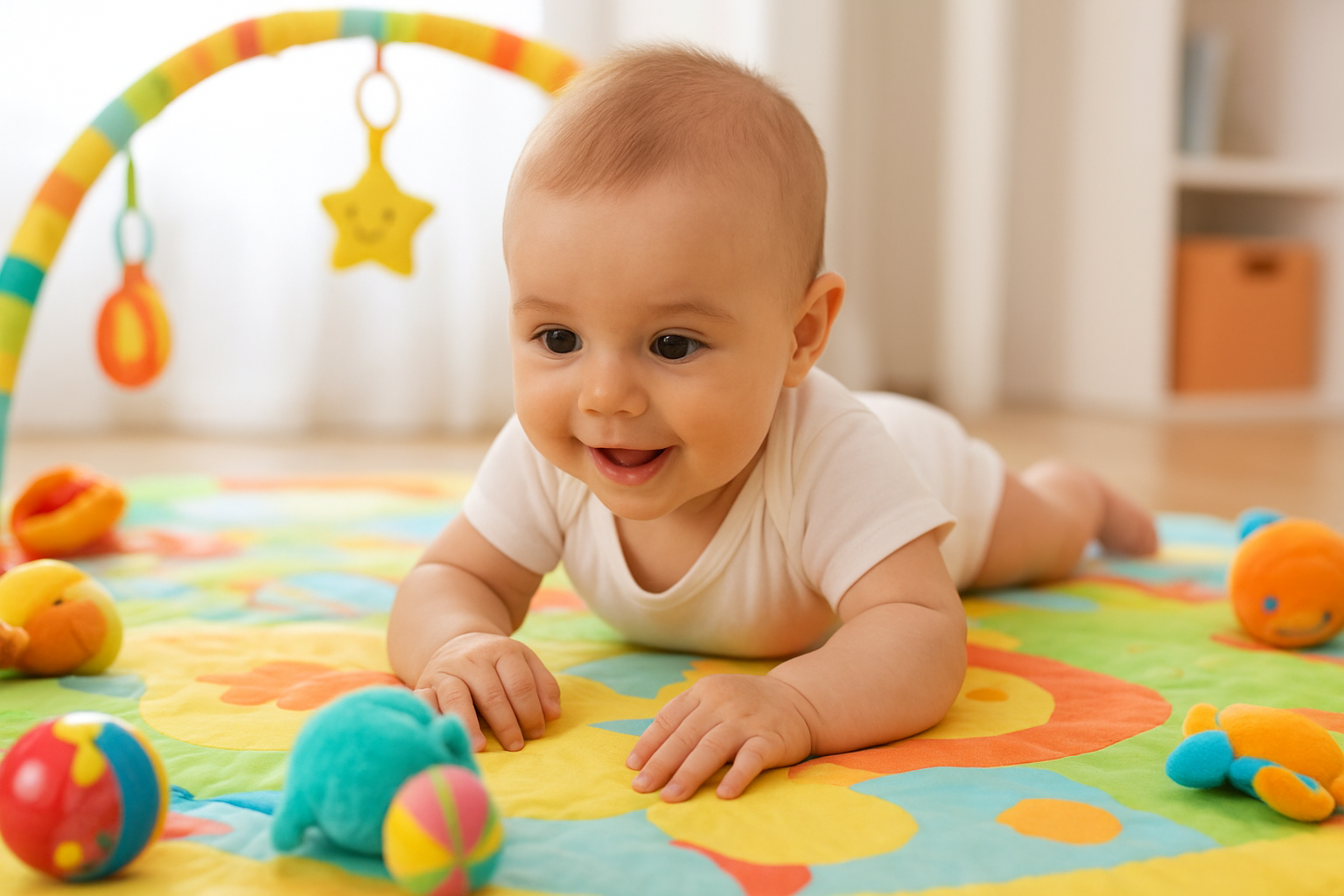
Tummy time is one of the most important activities for your baby’s early development. Although it may seem simple, spending time on the tummy has a multitude of benefits, from strengthening muscles to promoting cognitive growth. In this comprehensive guide, we’ll explore why tummy time is essential, how to do it safely, and creative ways to make it enjoyable for your little one.
What is Tummy Time?
Tummy time is exactly what it sounds like—placing your baby on their stomach while they are awake and supervised. This activity might seem basic, but it is critical for helping babies develop strong neck, shoulder, and arm muscles, which are necessary for rolling, sitting, crawling, and eventually walking.
Many parents wonder if tummy time is necessary, especially if their baby dislikes being on their stomach. The truth is, it’s not just beneficial—it’s essential for healthy development.
Key Benefits of Tummy Time
Tummy time offers numerous developmental benefits that extend beyond physical growth:
1. Strengthens Muscles
Being on the tummy forces babies to lift their head and chest, engaging their neck, shoulders, and upper back muscles. This strength is crucial for milestones like rolling over, sitting up, and crawling.
2. Prevents Flat Head Syndrome
Placing a baby on their back for extended periods can sometimes lead to positional plagiocephaly (flat spots on the head). Regular tummy time helps relieve pressure on the back of the skull and promotes a more rounded head shape.
3. Enhances Motor Skills
Tummy time encourages babies to reach, push, and move, which builds coordination and fine motor skills. These early movements form the foundation for crawling, grasping toys, and self-feeding later on.
4. Boosts Cognitive Development
Tummy time stimulates the baby’s senses as they look around, track objects, and explore their environment. This sensory engagement contributes to brain development, spatial awareness, and problem-solving skills.
5. Encourages Visual Development
While on their tummy, babies practice lifting their heads and tracking objects with their eyes. This activity strengthens eye muscles and improves hand-eye coordination.
6. Supports Digestion and Reduces Gas
Gentle tummy time after feeding can help relieve gas and promote better digestion. The slight pressure on the abdomen encourages movement and can soothe discomfort.
When to Start Tummy Time
The American Academy of Pediatrics recommends starting tummy time from birth, even for newborns. Initially, short sessions of 2–3 minutes, 2–3 times a day are enough. As your baby grows stronger, you can gradually increase the duration.
Tips for Newborn Tummy Time:
- Use a firm, flat surface, like a play mat or blanket on the floor.
- Always supervise your baby during tummy time.
- Begin with a few minutes at a time and gradually extend as the baby gets comfortable.
How to Do Tummy Time Correctly
Doing tummy time safely and effectively is crucial. Here’s a step-by-step guide:
Step 1: Choose a Safe Surface
Place your baby on a firm and flat surface, such as a play mat, blanket, or padded floor. Avoid soft surfaces like beds or couches, as they can increase the risk of suffocation.
Step 2: Make it Comfortable
Ensure your baby is dressed comfortably and that the room temperature is suitable. Some babies prefer tummy time on a blanket with a little padding.
Step 3: Position Your Baby Properly
- Place the baby on their stomach with arms bent under their chest.
- Encourage lifting their head by placing toys or a mirror in front of them.
- Make sure their face is not pressed against the surface.
Step 4: Supervise Closely
Never leave your baby unattended during tummy time. Stay close to provide support and ensure safety.
Step 5: Gradually Increase Duration
Start with short intervals, then slowly increase tummy time as your baby becomes stronger and more comfortable. By 3–4 months, aim for 20–30 minutes a day in multiple sessions.
Making Tummy Time Fun
Babies may initially resist tummy time, but there are many ways to make it enjoyable:
1. Use Toys and Mirrors
Place colorful toys, soft rattles, or mirrors in front of your baby to encourage reaching and lifting their head. Babies love watching reflections and bright objects.
2. Get on the Floor with Your Baby
Engage with your baby by lying face-to-face. Your expressions, smiles, and gentle encouragement make tummy time interactive and enjoyable.
3. Play Music or Sing
Soft music or singing can distract and entertain your baby during tummy time. Rhythmic songs can also create a soothing environment.
4. Try Tummy Time on Your Chest
For newborns who resist tummy time on the floor, lie on your back and place your baby on your chest. This position allows bonding, warmth, and comfort while still strengthening muscles.
5. Introduce Textures
Place soft toys, mats, or textured blankets under your baby to make tummy time stimulating. The new textures encourage sensory exploration.
6. Use a Tummy Time Pillow
Special tummy time pillows or rolls can support your baby’s chest, making it easier for them to lift their head and reducing frustration.
Common Challenges and Solutions
Even with encouragement, some babies may dislike tummy time. Here are common issues and solutions:
| Challenge | Solution |
|---|---|
| Baby cries or fusses | Start with very short sessions, gradually increasing duration. Use toys, music, or parent interaction. |
| Baby rolls over too early | Stay close and use a safe, flat surface. Avoid pillows or soft areas where the baby could roll off. |
| Baby gets tired quickly | Break tummy time into multiple short sessions throughout the day instead of one long session. |
| Baby refuses floor time | Try tummy time on your chest or lap to ease into the activity. |
How Much Tummy Time is Enough?
Tummy time should increase gradually as your baby grows:
- Newborn to 6 weeks: 2–3 minutes, 2–3 times a day.
- 6 weeks to 3 months: 10–15 minutes a few times a day.
- 3 to 6 months: 20–30 minutes total per day, split into multiple sessions.
- 6 months and older: Encourage tummy-based activities like crawling and rolling.
The goal is consistent daily practice, not one long session.
Tummy Time Safety Tips
To ensure tummy time is safe:
- Never leave your baby unattended. Always supervise.
- Avoid soft surfaces. Use firm mats or blankets on the floor.
- Stop if the baby is sleeping. Tummy time is for awake periods only.
- Check for signs of fatigue. If your baby becomes fussy or tired, take a break.
- Encourage proper alignment. Support the baby’s chest and arms when necessary.
Fun Tummy Time Activities by Age
Newborns (0–2 Months)
- Place a small rolled towel under the chest for support.
- Lie on your back and place the baby on your chest.
- Use bright-colored toys or a mirror within their line of sight.
2–4 Months
- Encourage reaching for toys slightly out of reach.
- Practice gentle rocking or shifting side to side.
- Use tummy time pillows to support lifting the head.
4–6 Months
- Introduce tummy-to-back rolling.
- Encourage reaching for larger toys or textured objects.
- Practice pushing up with arms to build strength.
6 Months and Older
- Tummy time naturally progresses into crawling and exploring.
- Use obstacle courses with pillows and toys.
- Encourage pivoting and rolling to strengthen coordination.
When to Seek Help
Most babies enjoy tummy time with practice, but consult a pediatrician if:
- Your baby consistently refuses tummy time after repeated attempts.
- There are concerns about neck or muscle strength.
- Developmental milestones like rolling over or lifting the head are delayed.
Early intervention can ensure your baby stays on track.
Final Thoughts
Tummy time is more than just a playful exercise—it’s a foundation for your baby’s physical, cognitive, and sensory development. By making tummy time fun, safe, and consistent, you help your baby reach important milestones while building confidence, strength, and coordination.
Remember: short, frequent sessions with supervision and interaction are key. With patience, creativity, and lots of encouragement, tummy time can become a highlight of your baby’s day.