
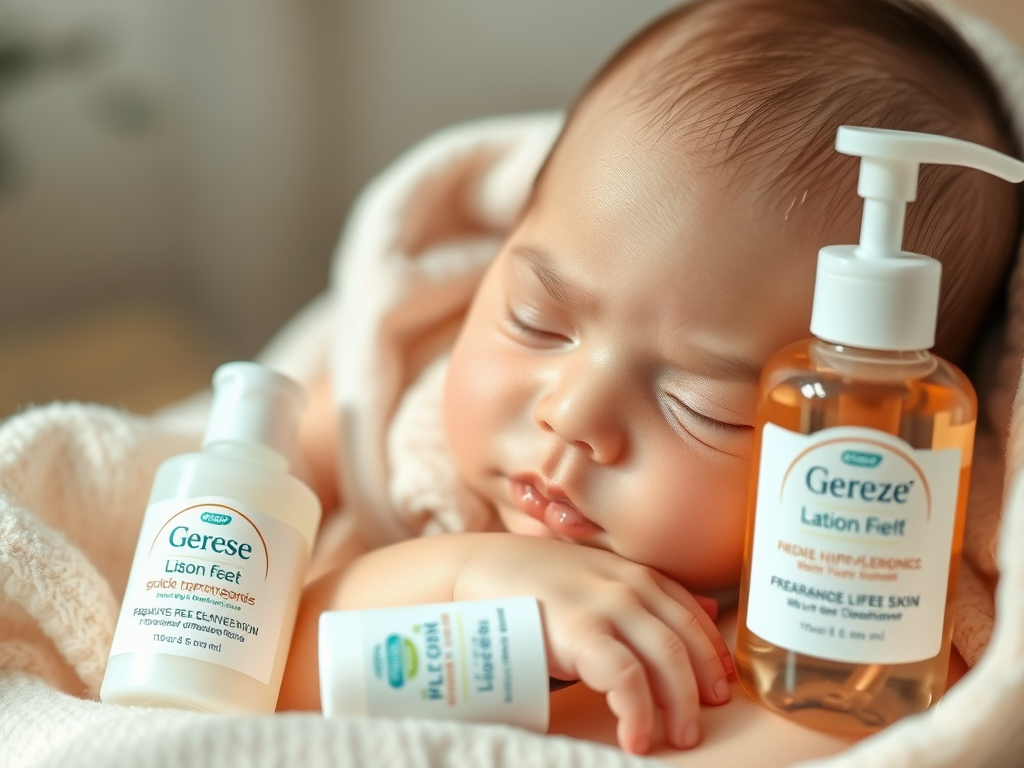
A newborn baby’s skin is incredibly soft, delicate, and sensitive. In fact, newborn skin is up to 30% thinner than adult skin, which means it loses moisture faster and reacts more easily to irritants. Because of this, proper skin care during the first few months is essential—not just for comfort, but also for long-term skin health.
Many new parents worry when they notice dryness, redness, rashes, or peeling. The good news? Most newborn skin issues are completely normal and can be managed with simple, gentle care.
This guide will walk you through everything you need to know about caring for your baby’s ultra-sensitive skin—what to do, what to avoid, and how to keep your newborn comfortable and protected.
Why Newborn Skin Is So Sensitive
Newborn skin is still developing after birth. During pregnancy, your baby was protected by amniotic fluid and vernix (a white, creamy coating). Once born, the skin must quickly adapt to a dry, cooler environment.
Key reasons newborn skin is delicate:
- Skin barrier is not fully developed
- Higher water loss from the skin
- More sensitive to chemicals and fragrances
- Easily irritated by heat, saliva, urine, and stool
This is why a minimal and gentle skin care routine works best.
Common Newborn Skin Conditions (Normal & Temporary)
Before panicking, it’s important to know that many skin conditions are harmless and temporary.
Common newborn skin issues
- Dry or peeling skin (especially hands and feet)
- Baby acne (small red or white bumps)
- Heat rash
- Diaper rash
- Cradle cap (flaky scalp)
Most of these resolve on their own with proper care.
Bathing Tips for Newborn Skin Care
How Often Should You Bathe a Newborn?
Newborns do not need daily baths.
👉 2–3 times a week is more than enough.
Too many baths can strip natural oils and cause dryness.
Best Bathing Practices
- Use lukewarm water (not hot)
- Keep baths short (5–10 minutes)
- Use mild, soap-free baby cleansers
- Pat skin dry—do not rub
Expert Tip: In the first few weeks, sponge baths are safer than tub baths.
Choosing the Right Baby Skin Care Products
Not all “baby” products are safe for newborns. Always read labels carefully.
What to Look For
- Fragrance-free
- Alcohol-free
- Hypoallergenic
- Dermatologist-tested
- Minimal ingredients
What to Avoid
- Strong fragrances
- Essential oils
- Antibacterial soaps
- Adult lotions and soaps
Less is always more when it comes to newborn skin.
Moisturizing: When & How to Do It
Moisturizing helps protect the skin barrier and prevent dryness.
Best Time to Apply Moisturizer
- Immediately after bath (within 3 minutes)
- When skin looks dry or flaky
Best Moisturizers for Newborns
- Unscented baby lotion
- Baby cream for very dry skin
- Petroleum jelly (for extreme dryness)
Apply a thin layer—your baby doesn’t need heavy amounts.
Diaper Area Care: Preventing Rashes
The diaper area is one of the most sensitive parts of a newborn’s body.
Diaper Rash Prevention Tips
- Change diapers frequently
- Clean gently with water or alcohol-free wipes
- Allow skin to air-dry before putting on a new diaper
- Use a zinc-oxide diaper cream as a barrier
Expert Tip: Avoid wiping too hard—gentle dabbing works best.
Clothing & Fabric Choices for Sensitive Skin
What your baby wears directly affects their skin.
Best Clothing Materials
- 100% cotton
- Bamboo fabrics
- Soft, breathable materials
Laundry Tips
- Use baby-safe detergent
- Avoid fabric softeners
- Wash new clothes before first use
Tight clothing and rough seams can irritate newborn skin.
Protecting Newborn Skin from Weather
Cold Weather Care
- Dress baby in layers
- Use moisturizer to prevent dryness
- Avoid direct cold air exposure
Hot Weather Care
- Dress baby lightly
- Keep skin dry
- Prevent heat rash by avoiding overheating
Sun Protection
- Avoid direct sunlight
- Use shade and protective clothing
- Sunscreen is not recommended for babies under 6 months
When to See a Doctor
Most skin issues are harmless, but consult a pediatrician if you notice:
- Severe or spreading rashes
- Signs of infection (pus, swelling, fever)
- Persistent eczema-like patches
- Cracks or bleeding skin
Early advice can prevent complications.
Do’s and Don’ts of Newborn Skin Care
✅ Do
- Keep routines simple
- Use gentle products
- Moisturize regularly
- Monitor skin changes
❌ Don’t
- Over-bathe
- Use scented products
- Try home remedies without advice
- Ignore persistent rashes
Frequently Asked Questions (FAQ)
Is peeling skin normal in newborns?
Yes. Peeling is very common in the first few weeks and usually resolves on its own.
Can I use coconut oil on my newborn’s skin?
Some babies tolerate it well, but always do a patch test first and consult your pediatrician.
How can I prevent baby acne?
You can’t always prevent it. Keep the skin clean and avoid applying lotions to acne areas.
Should I use powder on my baby’s skin?
No. Baby powders can be inhaled and cause breathing problems.
Conclusion: Gentle Care Is the Best Care
Your newborn’s skin doesn’t need complicated routines or expensive products. What it needs most is gentle handling, minimal products, and consistency. With the right care, your baby’s ultra-sensitive skin will gradually strengthen and adapt to the world.
Trust your instincts, keep things simple, and remember—healthy skin starts with gentle love and care.