Crying is your baby’s very first language. Before they can talk, smile, or point, crying is the only way a newborn can say, “I need something.” For many parents—especially first-time moms and dads—constant crying can feel overwhelming. You may wonder whether your baby is crying more than usual, whether something serious is wrong, or how to soothe your little one effectively.
Continue Reading Why Is My Baby Crying? Understanding Common Causes & How to Soothe ThemCategory: BLOG

When to Call the Doctor: Early Signs of Common Baby Illnesses
Bringing a baby into the world is a beautiful experience—but it also comes with worries, especially around illness. Babies can’t communicate what hurts, and early symptoms of sickness often appear subtle. For new parents, it’s hard to know when something is normal and when it requires medical attention. Should you call the doctor for a mild fever? What about a persistent cough? Is vomiting serious? Understanding the early signs of common baby illnesses can help you respond quickly and confidently, ensuring your baby gets care at the right time.
Continue Reading When to Call the Doctor: Early Signs of Common Baby IllnessesBaby Sleep Problems: Causes, Solutions & Healthy Sleep Habits
Sleep is one of the most important foundations of a baby’s growth. It fuels brain development, supports immunity, and helps regulate emotions. Yet, most parents—especially first-timers—discover very quickly that baby sleep is rarely simple.
Continue Reading Baby Sleep Problems: Causes, Solutions & Healthy Sleep HabitsHow to Boost Your Baby’s Immunity Naturally: Doctor-Approved Tips
A newborn’s immune system is both incredible and delicate. While babies are naturally protected by antibodies passed from their mothers, their immune system continues to develop during the first few years of life.
Continue Reading How to Boost Your Baby’s Immunity Naturally: Doctor-Approved TipsNewborn Care 101: Essential Health Tips for First-Time Parents
Welcoming a newborn into the world is one of life’s most beautiful experiences—but for first-time parents, it can also feel overwhelming. From feeding schedules to sleep patterns, diaper changes to doctor visits, everything seems new, fragile, and sometimes even confusing. The good news? With the right knowledge and a calm mindset, you can confidently navigate this wonderful journey.
Continue Reading Newborn Care 101: Essential Health Tips for First-Time ParentsMyth Buster: Why Being “Bad at Math” is a Mindset, Not a Life Sentence (The Growth Mindset Guide)
The Great Math Myth
“Some people are just not math people.”
It’s a phrase many of us have heard — and perhaps even said — when facing a tricky equation or a confusing word problem. But here’s the truth: there’s no such thing as a “math brain.”
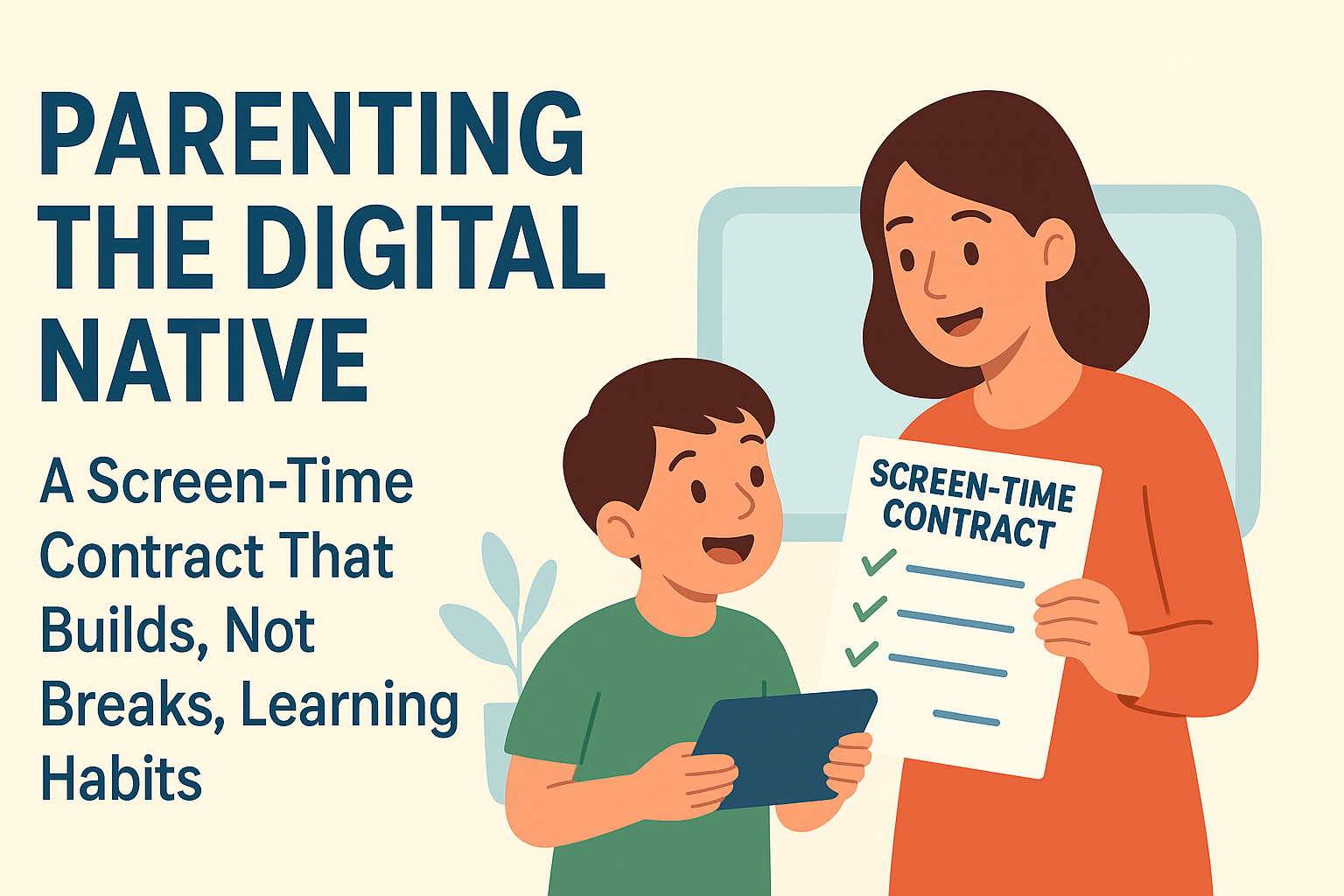
Parenting the Digital Native: A Screen-Time Contract That Builds, Not Breaks, Learning Habits
The Digital Tug-of-War
Every generation of parents faces a defining challenge — for some, it was the television; for others, it was video games. Today, it’s the screen. Phones, tablets, laptops, and smart TVs have become extensions of our children’s hands, tools for learning, entertainment, and socialization. But for many parents, screen time feels like a battle — one where it’s hard to tell who’s really winning.
Continue Reading Parenting the Digital Native: A Screen-Time Contract That Builds, Not Breaks, Learning HabitsThe ‘Why’ Factor: How to Turn a Simple History Lesson into a Quest for Critical Thinking
Walk into a typical history classroom, and you might hear students reciting dates, memorizing names, and repeating events in chronological order. “The Declaration of Independence was signed in 1776.” “The Civil War ended in 1865.” “World War II began in 1939.”
Continue Reading The ‘Why’ Factor: How to Turn a Simple History Lesson into a Quest for Critical ThinkingThe ‘Why’ Factor: How to Turn a Simple History Lesson into a Quest for Critical Thinking
When most children think of history class, they imagine timelines, dusty textbooks, and long lists of dates to memorize. “1492, Columbus sailed the ocean blue,” or “1776, Declaration of Independence.” While these details have their place, this kind of rote learning often leaves students disengaged — memorizing facts without understanding the why behind them.
Continue Reading The ‘Why’ Factor: How to Turn a Simple History Lesson into a Quest for Critical ThinkingStop Correcting the Drawing: Why Process-Oriented Art is the Key to STEM Thinking
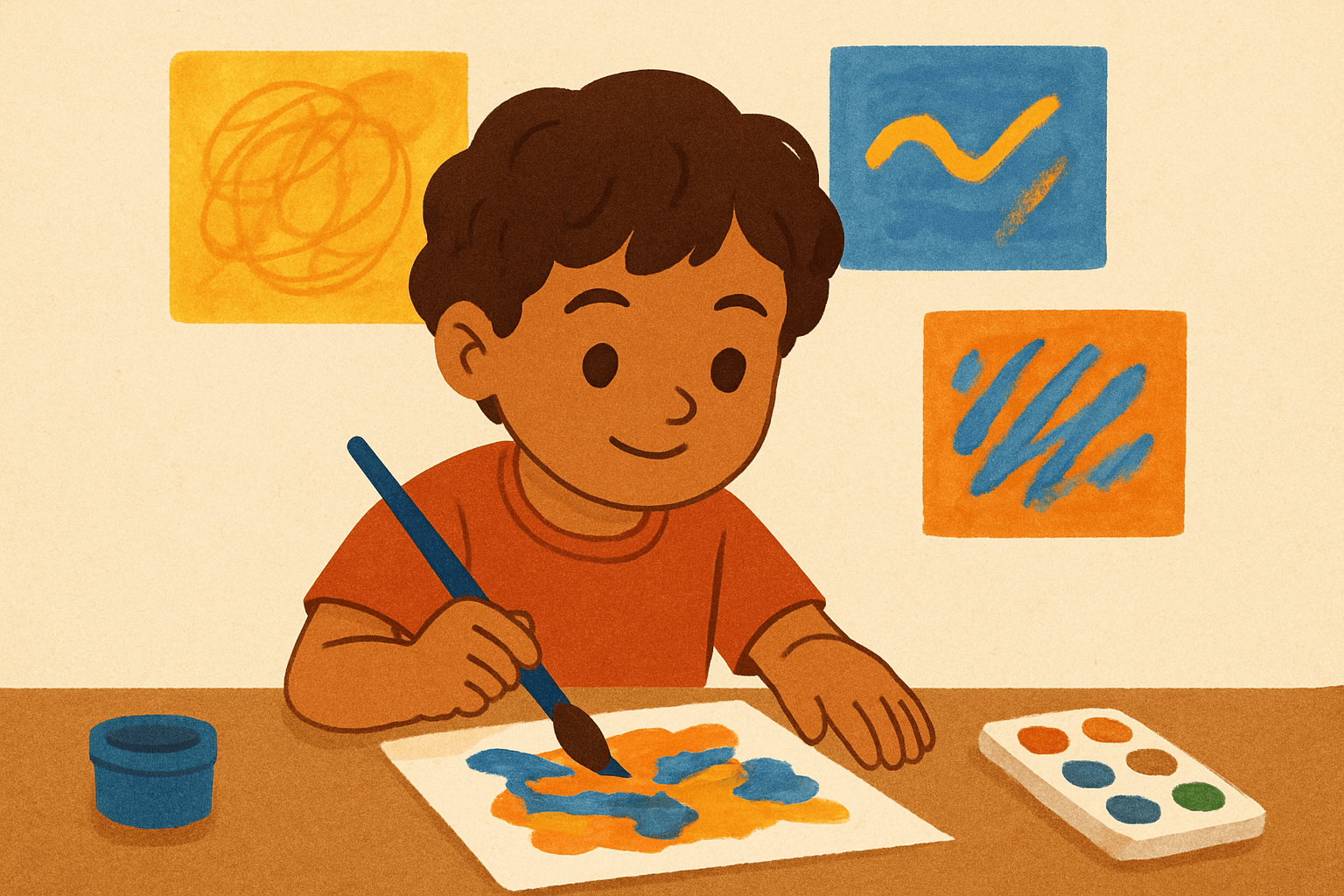
When your child proudly holds up a crayon drawing of a purple cow or a rainbow-colored rocket, it’s tempting to say, “Cows aren’t purple,” or “That rocket looks funny.”
But what if those moments of creative chaos were actually building the same kind of brain power your child will need to succeed in science, technology, engineering, and math (STEM)?