
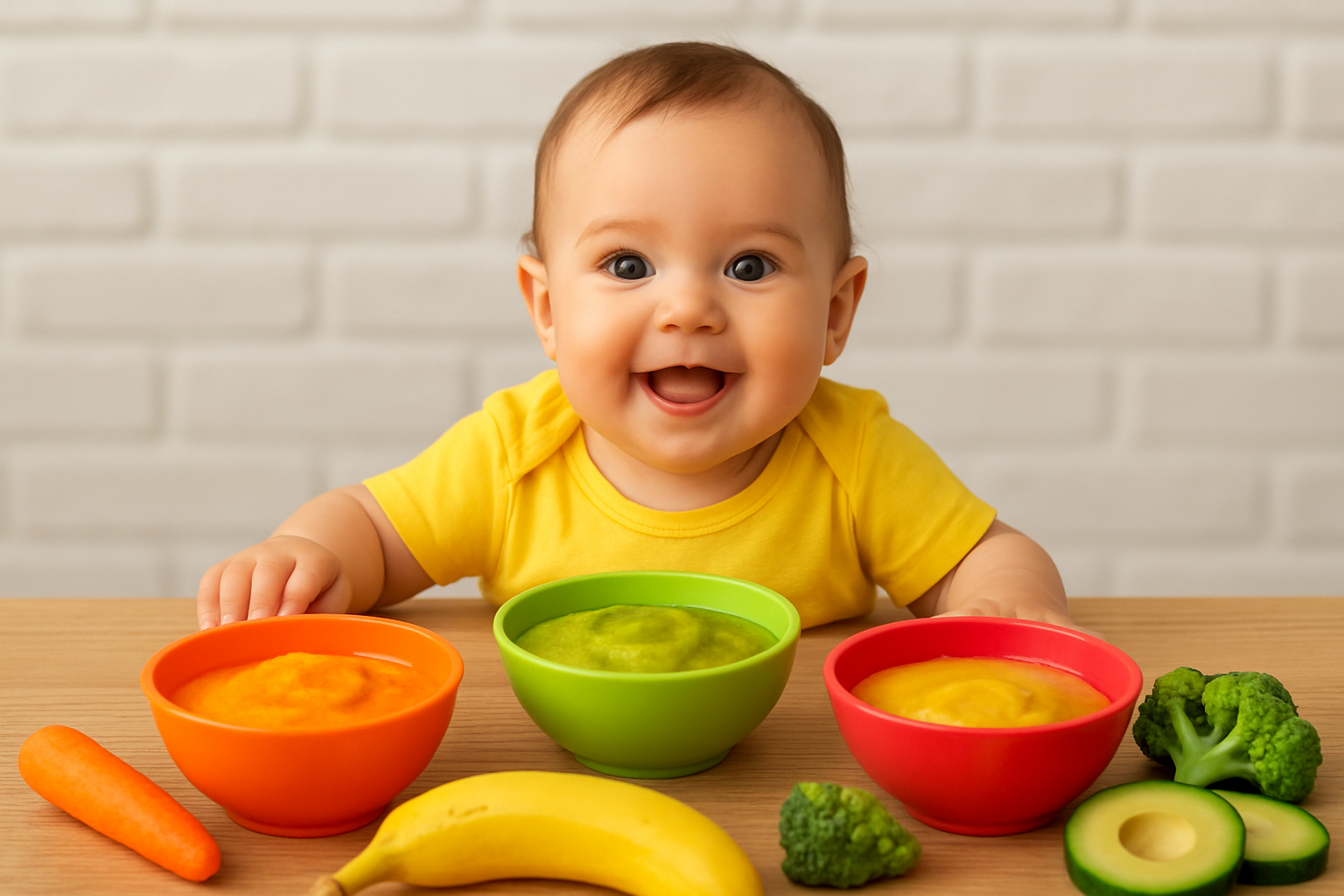
Feeding your baby is one of the most important and rewarding aspects of parenthood. The food you provide in the early months sets the stage for a lifetime of healthy eating habits. With so many options available, it can be overwhelming to decide what’s best. Homemade, nutritious baby food not only ensures that your little one gets essential nutrients but also introduces them to exciting flavors and textures.
In this guide, we’ll explore delicious baby food recipes for every stage of development, from purees for newborns to more textured meals for toddlers. These recipes are designed to be healthy, easy to prepare, and packed with nutrients your baby needs to grow strong and happy.
Stage 1: 4–6 Months – First Purees
At this stage, your baby is ready to explore solid foods, but their digestive system is still developing. Single-ingredient purees are perfect for introducing new flavors.
1. Sweet Potato Puree
Ingredients:
- 1 medium sweet potato
- Water, breast milk, or formula
Instructions:
- Peel and chop the sweet potato into small cubes.
- Steam until soft (about 15 minutes).
- Blend with a little water, breast milk, or formula until smooth.
- Let cool and serve.
Benefits: Sweet potatoes are rich in vitamin A, which supports healthy vision and immune function.
2. Avocado Mash
Ingredients:
- 1 ripe avocado
Instructions:
- Cut avocado in half and remove the pit.
- Scoop out the flesh and mash with a fork until smooth.
- Serve immediately to prevent browning.
Benefits: Avocado is high in healthy fats, supporting brain development.
Stage 2: 6–8 Months – Simple Combinations
As your baby becomes more comfortable with solid foods, you can introduce mild combinations of fruits and vegetables.
1. Carrot and Apple Puree
Ingredients:
- 1 medium carrot
- 1 small apple
- Water or breast milk
Instructions:
- Peel and chop the carrot and apple.
- Steam until soft (about 10–15 minutes).
- Blend until smooth, adding water or breast milk for desired consistency.
Benefits: Carrots are rich in beta-carotene, and apples add natural sweetness and fiber.
2. Pea and Pear Mash
Ingredients:
- 1/2 cup peas
- 1 ripe pear
Instructions:
- Steam peas until tender.
- Peel, core, and chop the pear.
- Blend peas and pear together until smooth.
Benefits: Peas provide protein and fiber, while pears aid digestion.
Stage 3: 8–10 Months – Textured Meals
By now, your baby can handle slightly thicker textures and small soft chunks. You can introduce proteins and grains.
1. Banana and Oat Porridge
Ingredients:
- 1/4 cup oats
- 1/2 banana
- 1/2 cup water or breast milk
Instructions:
- Cook oats in water or breast milk until soft.
- Mash the banana and stir into the cooked oats.
- Serve slightly warm.
Benefits: Oats are a great source of fiber, and bananas provide potassium.
2. Lentil and Carrot Mash
Ingredients:
- 1/4 cup red lentils
- 1 small carrot
- Water or low-sodium vegetable broth
Instructions:
- Rinse lentils thoroughly.
- Chop the carrot and cook with lentils until soft.
- Mash slightly or blend for a smoother texture.
Benefits: Lentils are packed with protein and iron, essential for growth.
Stage 4: 10–12 Months – Mini Meals
Now your baby can start enjoying mini versions of family meals, with soft, bite-sized pieces.
1. Veggie and Chicken Risotto
Ingredients:
- 1/4 cup finely chopped chicken
- 2 tablespoons rice
- 1/4 cup finely chopped vegetables (carrot, zucchini, peas)
- Water or low-sodium chicken broth
Instructions:
- Cook rice in water or broth until soft.
- Add chicken and vegetables, cooking until tender.
- Mash lightly or serve as small soft pieces.
Benefits: This meal offers protein, carbs, and vitamins, all in one bowl.
2. Sweet Potato and Quinoa Bites
Ingredients:
- 1/2 cup cooked quinoa
- 1/2 cup mashed sweet potato
- 1 egg yolk (optional, for binding)
Instructions:
- Mix quinoa and sweet potato.
- Add egg yolk if using and form small patties.
- Bake at 350°F (175°C) for 10–12 minutes until firm.
Benefits: Quinoa provides complete protein, and sweet potatoes give energy-boosting carbs.
Tips for Preparing Nutritious Baby Food
- Go Organic When Possible: Babies are sensitive to pesticides, so choose organic produce when you can.
- Introduce One Food at a Time: This helps identify allergies or sensitivities.
- Freeze in Portions: Use ice cube trays to freeze small portions for easy meals.
- Avoid Added Sugar and Salt: Babies don’t need extra sugar or salt; natural flavors are enough.
- Keep Textures Varied: Gradually increase texture to encourage chewing and prevent picky eating habits.
Healthy Snacks for Babies
Between meals, offer simple, healthy snacks:
- Soft fruit slices (banana, pear, mango)
- Steamed veggie sticks (carrots, zucchini)
- Whole grain mini muffins (low sugar)
- Yogurt with fruit puree
Hydration Matters
Always ensure your baby stays hydrated. Breast milk or formula is the primary source of fluids up to 12 months. As solids increase, introduce small sips of water in a sippy cup. Avoid sugary drinks, juice, or soda.
Introducing New Flavors
- Be patient: It can take several tries for a baby to accept new flavors.
- Mix familiar with new: Pair new veggies with fruits or foods your baby already likes.
- Spices: Mild spices like cinnamon or nutmeg are safe after 8 months. Avoid salt, honey, and strong spices until the child is older.
Conclusion
Feeding your baby doesn’t have to be stressful. With simple, nutritious recipes for every stage of development, you can ensure your little one grows healthy, happy, and curious about food. Homemade baby food gives you control over ingredients, textures, and flavors, creating a positive mealtime experience.
Remember, the goal is balanced nutrition, gradual introduction of flavors, and enjoyable eating experiences. By following these recipes and tips, you’ll be setting your baby up for a lifetime of healthy eating habits.