
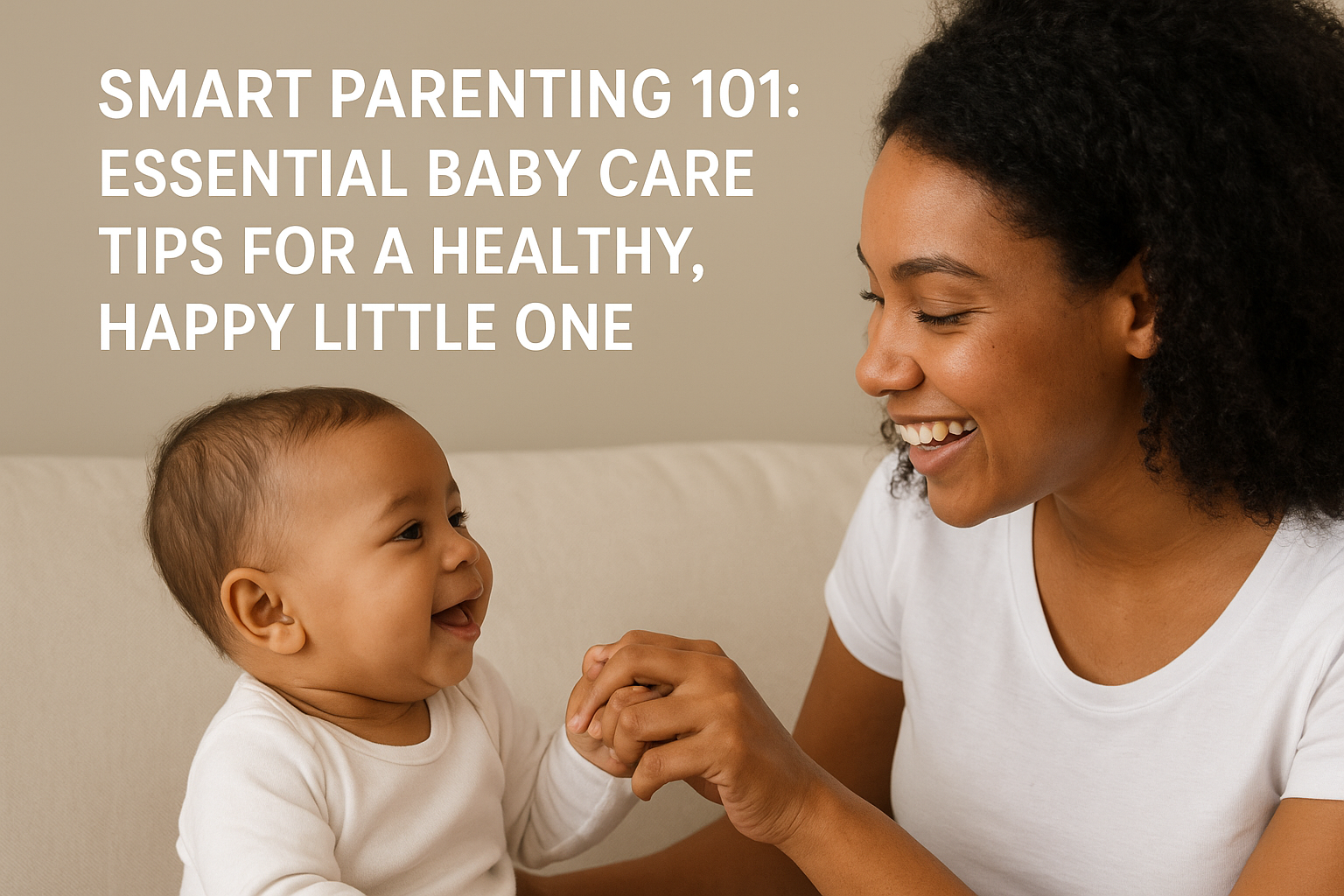
Becoming a parent transforms your world overnight. Suddenly every decision—from feeding to sleep, diapers to daily routines—feels incredibly important. While the newborn phase brings breathtaking joy, it also comes with endless questions, doubts, and learning curves. The good news? Parenting doesn’t have to feel overwhelming. With the right knowledge, a calm mindset, and smart strategies, you can give your baby the safest, healthiest, and happiest start in life.
This comprehensive guide breaks down the most essential baby care tips every parent should know—covering feeding, sleep, bonding, hygiene, milestones, safety, and your own well-being. Whether you’re a first-time parent or adding another little one to your family, these science-backed and parent-approved tips will help you navigate the early months with confidence.
1. Feeding Your Baby: Laying the Foundation for Healthy Growth
Feeding is one of the most important aspects of baby care, especially during the first year when major growth occurs. The right feeding approach ensures proper weight gain, brain development, and emotional connection.
Breastfeeding Basics
Breast milk is a complete, natural source of nutrition, containing:
- Antibodies
- Healthy fats
- Vitamins
- Digestive enzymes
- Hormones that support bonding
✔ Smart Breastfeeding Tips for Success
- Feed on demand (8–12 times/day).
- Ensure a good latch—baby’s mouth wide, lips flanged, chin touching breast.
- Stay hydrated and nourished; breastfeeding burns calories.
- Breastfeed skin-to-skin to boost milk supply and relaxation.
- Manage engorgement with warm compresses or gentle pumping.
✔ When to Ask for Help
Seek a lactation consultant if:
- Breastfeeding is painful
- Baby isn’t gaining weight
- Latch issues continue
- Your supply feels low
Formula Feeding: Safe, Simple & Healthy
Many parents choose formula—and it is a perfectly safe and nutritious option.
✔ Formula Feeding Tips
- Follow correct water-to-formula ratio exactly.
- Use room temperature or warm water (never boiling).
- Discard leftover formula after 1 hour.
- Burp baby frequently during feeding.
Introducing Solid Foods
At around 6 months, babies are ready for solids. Look for signs:
- Sits with minimal support
- Shows interest in food
- Opens mouth when offered
- Good head control
✔ First Foods to Try
- Avocado
- Sweet potato
- Oatmeal
- Mashed banana
- Carrot puree
- Iron-rich meats or cereals
✔ Safety Tips
- No honey before 1 year
- Avoid choking hazards (nuts, popcorn, hard fruits)
- Introduce new foods one at a time
Feeding is more than nutrition—it’s a sensory learning experience. Let your baby explore, taste, and enjoy mealtime without pressure.
2. Sleep Smarter, Not Harder: Building Healthy Sleep Habits
Sleep is critical for baby development and parent sanity. Babies don’t follow typical schedules in the beginning, but you can encourage healthy sleep patterns.
How Much Do Babies Sleep?
- Newborns: 14–17 hours/day
- 3–6 months: 12–15 hours
- 6–12 months: 11–14 hours
Babies wake often—this is normal and temporary.
Smart Sleep Tips Every Parent Should Know
✔ Create a bedtime routine
Even a simple routine works wonders:
- Bath
- Gentle massage
- Story
- Soft lights
- Feeding
- Sleep
Consistency is key.
✔ Put baby down “sleepy but awake”
Teaches independent sleep skills gradually.
✔ Use white noise
It mimics the womb and prevents startling.
✔ Follow safe sleep rules
- Back to sleep
- Firm mattress
- No pillows, blankets, stuffed toys
- No co-sleeping on couches or soft surfaces
✔ Recognize sleep cues
- Eye rubbing
- Yawning
- Fussing
- Staring quietly
Respond before baby becomes overtired—this improves sleep quality.
3. Mastering Baby Hygiene: Clean, Safe & Comfortable
Baby hygiene affects health, comfort, and overall well-being.
Bathing Basics
Babies don’t need daily baths—2–3 times a week is enough.
✔ Bathing Tips
- Use warm water (not hot).
- Keep bath time under 10 minutes.
- Use fragrance-free soap.
- Always keep one hand on the baby.
Diapering Essentials
Babies may need 8–12 diaper changes/day.
✔ Smart Diapering Tips
- Clean front to back.
- Apply a diaper cream if redness appears.
- Allow diaper-free time to reduce rashes.
- Choose the right diaper size to prevent leaks.
Umbilical Cord Care
- Keep it dry and exposed.
- Avoid tight waistbands.
- It usually falls off within 1–3 weeks.
Nail Care
Baby nails grow quickly—trim once or twice weekly using:
- Baby clippers
- Soft-file
- Electric baby nail trimmer
Always trim nails when baby is calm or asleep.
4. Baby Development: Encouraging Growth Through Smart Play
Your baby learns constantly through play, touch, sound, and movement.
Tummy Time: A Must for Development
Start tummy time from Day 1.
✔ Benefits
- Strengthens neck and shoulders
- Prevents flat spots
- Builds muscles for crawling
Start with 1–2 minutes per session and increase gradually.
Smart Play Ideas to Boost Development
✔ 0–3 Months
- High-contrast flashcards
- Soft songs
- Gentle swaying
- Face-to-face talking
✔ 3–6 Months
- Rattles
- Crinkle toys
- Baby gym
- Mirror play
✔ 6–12 Months
- Stacking cups
- Soft books
- Crawling tunnels
- Peek-a-boo
- Sensory baskets
Key Milestones to Expect (Brief Overview)
✔ 0–3 Months
- Smiling
- Lifting head
- Following objects
✔ 4–6 Months
- Rolling
- Laughing
- Sitting with help
✔ 6–9 Months
- Crawling
- Babbling
- Starting solids
✔ 9–12 Months
- Standing
- First words
- Finger feeding
Remember: every baby develops at their own pace.
5. Communication & Bonding: Building Emotional Security
Bonding is essential for emotional, social, and cognitive development. Babies feel secure when their caregivers respond with love and consistency.
✔ Skin-to-skin contact
Calms baby, regulates temperature, and boosts bonding hormones.
✔ Talk constantly
Your baby loves your voice. Narrate daily routines, sing, and read books.
✔ Respond to cries
You cannot spoil a baby. Responsive parenting builds trust.
✔ Eye contact & smiles
Facial expressions help babies learn emotional communication.
6. Baby Safety: Protecting Your Little One at Every Stage
Safety is a top priority—and many accidents are preventable.
Safe Sleep Practices
- Always on their back
- No extra bedding
- Use a sleep sack instead of blankets
Home Safety Tips for Babies
- Install outlet covers
- Keep floors free of small objects
- Lock cabinets
- Install safety gates
- Secure heavy furniture
Car Safety
- Use a rear-facing infant car seat
- Ensure straps fit snugly
- Never place baby in the front seat
A properly installed car seat can save lives—double-check installation with a professional if possible.
7. Managing Common Baby Issues Calmly & Smartly
Many baby concerns may seem scary but are often normal.
Common Newborn Issues
- Hiccups
- Sneezing
- Spitting up
- Startle reflex
- Gas
These are generally harmless.
Colic Tips
Colic is crying for 3+ hours/day.
✔ Relief Strategies
- Swaddling
- White noise
- Warm baths
- Holding baby upright
- Anti-colic bottles
Always check with a doctor if unsure.
Teething Tips
Teething begins around 4–7 months.
✔ Relief Options
- Chilled teething toys
- Gum massage
- Teething crackers
- Extra cuddles
Avoid numbing gels unless prescribed.
8. Taking Care of Yourself: A Healthy Parent Raises a Healthy Baby
Many parents forget this important truth:
You cannot pour from an empty cup.
✔ Rest when baby sleeps
Even short naps matter.
✔ Ask for help
Family or friends can assist with chores or holding the baby.
✔ Eat nutritious meals
Your body needs strength.
✔ Stay connected
Talking to other parents helps reduce stress.
✔ Be gentle with yourself
Parenting is a learning journey, not a performance.
A healthy, happy parent is the greatest gift you can give your child.
Final Thoughts: Smart Parenting Is About Love, Not Perfection
Parenting is full of joyful moments, sleepless nights, and endless learning. No parent has all the answers—and that’s okay. What matters most is showing up with love, patience, and the willingness to learn along the way.
By applying these smart baby care tips—feeding with confidence, encouraging development, ensuring safety, bonding deeply, and caring for yourself—you’re already giving your baby exactly what they need: a nurturing environment to grow into a strong, healthy, happy little one.
You’re doing an amazing job. ❤️