
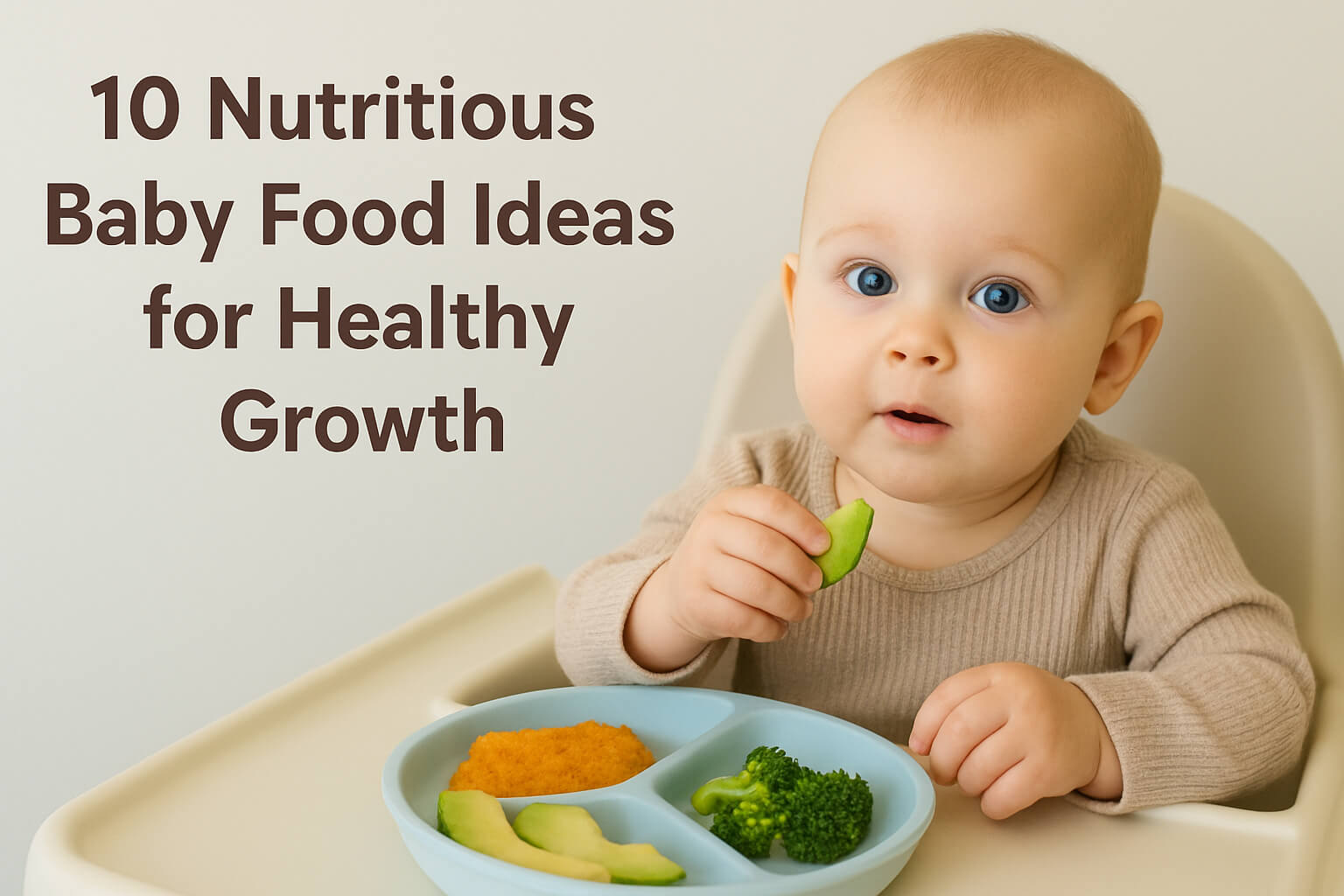
This comprehensive guide is designed to eliminate confusion and give you a clear, confident path toward nourishing your baby. Whether you are preparing purees at home or exploring baby-led weaning, the foods you introduce now can help shape your baby’s taste preferences, nutritional habits, and overall development for years to come.
In this blog post, you’ll discover ten highly nutritious baby food ideas, along with the benefits of each, preparation methods, serving suggestions, and practical tips to make feeding time stress-free and enjoyable. By the end, you’ll feel empowered to make delicious, wholesome meals that support your baby’s healthy growth.
When Should You Start Solid Foods?
Most pediatricians recommend introducing solid foods around 6 months of age, depending on your baby’s developmental readiness. Signs that your baby is ready include:
- Good head and neck control
- Ability to sit up with minimal support
- Showing interest in your meals
- Decreased tongue-thrust reflex
- Ability to open mouth when food approaches
It’s important to remember that every baby is unique, and readiness may vary. Always consult your pediatrician before starting solids, especially if your baby was born prematurely or has allergy concerns.
Nutritional Needs for Babies 6–12 Months
Before diving into recipes, let’s understand what nutrients matter most for a growing baby:
1. Iron
After 6 months, babies’ natural iron stores begin to deplete. Iron-rich foods such as lentils, meat, fortified cereals, and spinach become essential.
2. Healthy Fats
Fats support brain growth and cognitive development. Avocados, full-fat yogurt, nut butters (thinned), and olive oil are excellent sources.
3. Protein
Helps build muscle and supports immune function. Good early proteins include eggs, beans, chicken, fish, and tofu.
4. Fiber
Aids digestion and prevents constipation, especially as solid foods increase. Foods like pears, prunes, and whole grains help keep things moving.
5. Vitamins A, C, D, and E
These support vision, immunity, bone development, and healthy skin.
Now let’s explore 10 highly nutritious baby food ideas that check these nutritional boxes.
10 Nutritious Baby Food Ideas for Healthy Growth
1. Sweet Potato Puree
Sweet potatoes are one of the most recommended first foods for babies because of their smooth texture, naturally sweet flavor, and nutrient-rich profile. They are packed with vitamin A, fiber, and antioxidants that support vision and immune function.
How to prepare:
Peel, slice, and steam sweet potatoes. Blend with a little breast milk or water until smooth.
Serving idea:
For babies 9+ months, mash with a fork instead of pureeing to help practice chewing.
Bonus tip:
Sprinkle a tiny bit of cinnamon for flavor exploration—spices are safe!
2. Avocado Mash
Avocado is often called “nature’s baby food” because of its creamy texture and healthy fats. These fats support brain development and help your baby feel full longer.
How to prepare:
Scoop out ripe avocado and mash it with a spoon. Add breast milk for extra creaminess.
Serving idea:
Spread thinly on toast strips for baby-led weaning.
Why it’s great:
No cooking required—perfect for busy parents!
3. Banana Oatmeal
Bananas are rich in potassium and fiber and are incredibly gentle on tiny stomachs. When paired with oats, this combo becomes a filling, nutrient-dense breakfast.
How to prepare:
Cook oats in water or breast milk. Add mashed banana and blend for younger babies.
Serving idea:
Add a tiny sprinkle of chia seeds (soaked) for babies 9+ months.
Benefits:
Helps with digestion and provides sustained energy.
4. Carrot and Lentil Puree
This is a powerhouse combination full of iron, protein, and vitamin A. Lentils are one of the best plant-based iron sources for babies.
How to prepare:
Cook red lentils until soft. Steam carrots separately. Blend together until smooth.
Serving idea:
Mix with a little olive oil for healthier fat content.
Bonus benefit:
Lentils help keep digestion regular.
5. Apple and Pear Compote
This gentle, sweet puree is perfect for babies who are just starting solids or experiencing mild constipation. Apples offer soluble fiber, while pears help soften stools.
How to prepare:
Peel, chop, and simmer apples and pears in a little water. Blend until smooth.
Serving idea:
Mix into oatmeal or serve alone.
Extra tip:
Do not add sugar—these fruits are naturally sweet!
6. Spinach and Potato Puree
Spinach provides iron, calcium, and vitamins A and C. Combined with potatoes, it creates a balanced puree that’s nutritious and smooth.
How to prepare:
Steam spinach briefly to retain nutrients. Boil potatoes until soft. Blend together.
Serving idea:
Add a spoonful of yogurt for babies 8+ months.
Important note:
Only serve cooked spinach—not raw—to avoid digestive issues.
7. Chicken and Vegetable Blend
Introducing meat early helps improve iron levels significantly. Chicken is easy to digest and rich in protein and B vitamins.
How to prepare:
Boil chicken breast until tender. Steam vegetables like carrots, peas, or pumpkin. Blend together with broth.
Serving idea:
For older babies, finely shred the chicken instead of blending.
Bonus tip:
Use homemade chicken broth for extra nutrients.
8. Egg Yolk Mash
Eggs are a superfood for babies—high in protein, vitamin D, and choline, which supports brain development.
How to prepare:
Boil an egg. Separate the yolk and mash with breast milk.
Serving idea:
For babies 8+ months, serve scrambled eggs.
Safety tip:
Egg allergies are rare, but introduce slowly and watch for reactions.
9. Yogurt with Berries
Full-fat plain yogurt is loaded with probiotics that boost gut health. When you add berries, you introduce antioxidants and vitamin C.
How to prepare:
Use unsweetened yogurt. Add mashed or blended strawberries, blueberries, or raspberries.
Serving idea:
Serve chilled for teething babies.
Tip:
Choose pasteurized yogurt only.
10. Fish and Sweet Pea Puree
Fish is one of the best foods for brain development due to omega-3 fatty acids. Salmon or cod works well for babies and mixes nicely with peas.
How to prepare:
Steam boneless fish fillets. Steam peas separately. Blend both together.
Serving idea:
Add a drop of lemon (for babies 12+ months) for flavor.
Safety tip:
Always check for bones carefully.
How to Introduce New Foods Safely
The 3-Day Rule
Introduce one new food at a time and wait three days before adding another. This helps you detect allergies or sensitivities.
Watch for allergy symptoms:
- Rash or hives
- Vomiting
- Diarrhea
- Swelling
- Wheezing
Common allergens—like eggs, fish, peanut butter, wheat—should be introduced early but carefully.
Baby-Led Weaning vs. Purees: What’s Best?
Both approaches are valid:
Purees
- Easier to digest
- Good for early feeders
- Allows parents more control
Baby-Led Weaning (BLW)
- Encourages independence
- Improves motor skills
- Helps develop chewing skills early
Most parents choose a combination, which works beautifully.
Tips to Make Mealtime Smooth and Fun
- Offer solids after milk feedings, not before.
- Keep portions small—babies need only 1–2 tablespoons at the start.
- Create a calm, positive environment.
- Expect mess—messy eating is learning!
- Don’t force food; follow your baby’s cues.
- Offer a variety of colors, textures, and flavors.
- Avoid salt, sugar, honey (until age 1), and cow’s milk as a drink.
Final Thoughts: Building Healthy Habits from the Start
Feeding your baby doesn’t have to be stressful. With simple ingredients, a bit of patience, and an understanding of your baby’s needs, you can create meals that nourish their body and mind. The goal isn’t perfection—it’s exploration, enjoyment, and bonding.
These 10 nutritious baby food ideas give you a foundation for healthy growth, but feel free to experiment, mix ingredients, and discover what your little one loves most. Before long, feeding time will become a happy routine filled with giggles, curiosity, and delicious new discoveries.